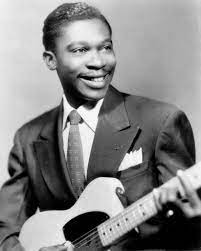
B.B. King – The Legend Who Redefined the Blues
By M.W. Tyler – March 2026
Introduction
Few names evoke the soul‑stirring power of the blues as vividly as Riley B. King, better known to the world as B.B. King. Born on September 16 1925 in the cotton‑fields of Itta Bena, Mississippi, King rose from humble beginnings to become the most recognizable ambassador of the blues. Over a career that spanned more than six decades, he transformed a regional folk tradition into a global musical language, influencing generations of guitarists, singers, and songwriters across rock, jazz, soul, and pop. This article explores the life, artistry, and enduring impact of B.B. King, tracing how his singular voice turned a modest acoustic genre into a cornerstone of modern popular music.
Early Life and Musical Roots
The Mississippi Delta Influence
King’s childhood was steeped in the sounds of the Mississippi Delta—a region that birthed legends such as Robert Johnson, Muddy Waters, and Son House. The rhythmic clatter of fieldwork, church hymns, and street corner performances formed a rich sonic tapestry. At age twelve, King received his first guitar, a modest acoustic instrument that he learned to play by mimicking the “bottleneck” slide technique popular among Delta musicians. These formative years instilled in him a deep respect for the emotional honesty that defines the blues.
Migration to Chicago
In 1943, like many African‑American families seeking economic opportunity, the Kings moved northward to Chicago. The city’s bustling club scene exposed King to amplified electric blues, a stark contrast to the acoustic traditions of his youth. He began performing under the moniker “Beale Street Blues Boy,” later shortened to B.B. King. The nickname stuck, and with it came a new musical direction: a blend of Delta storytelling and the electrified energy of Chicago’s clubs.
The Birth of “Lucille” and a Signature Sound
The Gibson ES‑355
In 1952, King acquired a Gibson ES‑355, a semi‑hollow body electric guitar that would become his lifelong companion. He christened the instrument “Lucille” after a 1951 incident at a Harlem nightclub where a fire broke out due to a stray cigarette igniting a barrel of burning oil. King famously rescued his beloved guitar, later naming it after the woman whose argument sparked the blaze. Lucille’s warm, resonant tone became the canvas upon which King painted his musical narratives.
Vibrato, Bends, and the “King’s Touch”
What truly set King apart was his vibrato‑rich phrasing. Rather than relying on speed or sheer volume, he employed a controlled, wide vibrato that gave each note a vocal quality. His signature technique involved bending strings just enough to mimic the inflection of a human voice, allowing the guitar to “talk.” This approach turned solos into lyrical stories, inviting listeners to feel the same yearning, heartbreak, and hope expressed in his vocals.
Breakthrough and Crossover Success
“The Thrill Is Gone”
While King had already earned respect within blues circles, his 1969 single “The Thrill Is Gone” catapulted him onto the mainstream stage. Backed by a lush horn arrangement and a haunting minor‑key progression, the song reached the top ten on both the Billboard Hot 100 and R&B charts. Its success demonstrated that the blues could thrive alongside rock and pop, opening doors for future crossover artists.
Touring the World
Following the hit, King embarked on extensive tours that took him far beyond American borders. From the Royal Albert Hall in London to the Sydney Opera House, his concerts showcased the universal appeal of the blues. He often introduced his songs with anecdotes about his upbringing, reinforcing the genre’s roots in personal experience and cultural history. By the 1970s, King was a regular headliner at major festivals, sharing stages with rock icons such as Eric Clapton, The Rolling Stones, and U2—a testament to his role as a bridge between musical worlds.
Influence on Musicians and Genres
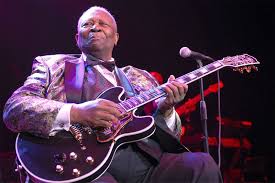
Guitar Heroes
King’s impact on guitarists is immeasurable. Legends such as Eric Clapton, Stevie Ray Taylor, John Mayer, and Gary Clark Jr. have cited King’s phrasing and tone as foundational to their own styles. Many instructional books and video lessons dissect his solos—particularly the iconic “Lucille” licks—to teach students the art of melodic improvisation. His emphasis on “less is more” continues to guide players seeking emotional depth over technical fireworks.
Shaping Blues‑Rock and Beyond
Beyond the guitar community, King’s blending of blues with orchestral arrangements inspired the emergence of blues‑rock, a subgenre that fuses raw blues feeling with rock’s amplified power. Bands like The Allman Brothers, Led Zeppelin, and later The Black Keys owe part of their sonic DNA to King’s pioneering spirit. Even in contemporary pop and hip‑hop, producers sample his recordings, underscoring the timeless relevance of his melodies.
Cultural and Social Significance
Ambassador of African‑American Heritage
King’s career coincided with the civil‑rights movement, and his music often served as a subtle conduit for expressing the African‑American experience. While his lyrics rarely addressed politics overtly, the very act of achieving global fame as a Black artist during a period of segregation carried profound symbolic weight. He used his platform to advocate for education, mentorship, and the preservation of blues heritage.
Mentorship and Collaboration
A hallmark of King’s later years was his willingness to collaborate with emerging talent. He invited young musicians onto his stage, offering them exposure to larger audiences. Notable collaborations include live performances with Albert King, Freddie King, and later duets with U2 (“When Love Comes to Town”) and John Mayer (“Still Got the Blues”). These partnerships reinforced the notion that the blues is a living, evolving tradition rather than a static museum piece.
Awards, Honors, and Legacy
| Year | Recognition | Significance |
|---|---|---|
| 1987 | Rock & Roll Hall of Fame induction | Cemented his status among the pantheon of popular music innovators |
| 1990 | Grammy Lifetime Achievement Award | Acknowledged his contributions to recording arts |
| 2006 | National Medal of Arts (awarded by President George W. Bush) | Recognized his influence on American cultural life |
| 2015 | Kennedy Center Honors | Celebrated his artistic excellence and humanitarian efforts |
| 2015 | Presidential Medal of Freedom (posthumously) | The nation’s highest civilian honor, underscoring his societal impact |
These accolades reflect not only his musical mastery but also his broader cultural resonance. Even after his passing in 2015, King’s recordings continue to sell, his name remains synonymous with the blues, and his birthday is commemorated annually by festivals worldwide.
The Enduring Relevance of B.B. King
Modern Media and Education
Today, King’s life story is featured in documentaries, university curricula, and digital archives. Streaming platforms host curated playlists titled “B.B. King Essentials,” exposing new listeners to his catalog. Music schools incorporate his solos into syllabi, ensuring that aspiring musicians learn the “King’s touch” early in their training.
The Blues as a Universal Language
At its core, the blues speaks to fundamental human emotions—loss, longing, resilience. King’s ability to translate these feelings into universally relatable melodies demonstrates why the genre endures. As long as people experience love and hardship, the blues—and B.B. King’s legacy—will remain relevant.
Conclusion
B.B. King was more than a virtuoso guitarist; he was a cultural emissary who transformed a regional folk tradition into a global artistic force. Through his distinctive vibrato, heartfelt storytelling, and relentless touring, he introduced the world to the profound emotional depth of the blues. His influence reverberates across genres, inspiring countless musicians and reminding us that a single, well‑bent note can carry the weight of an entire lifetime. In celebrating B.B. King, we honor not only a legend but also the timeless spirit of the blues itself.